
Pauly Pocket
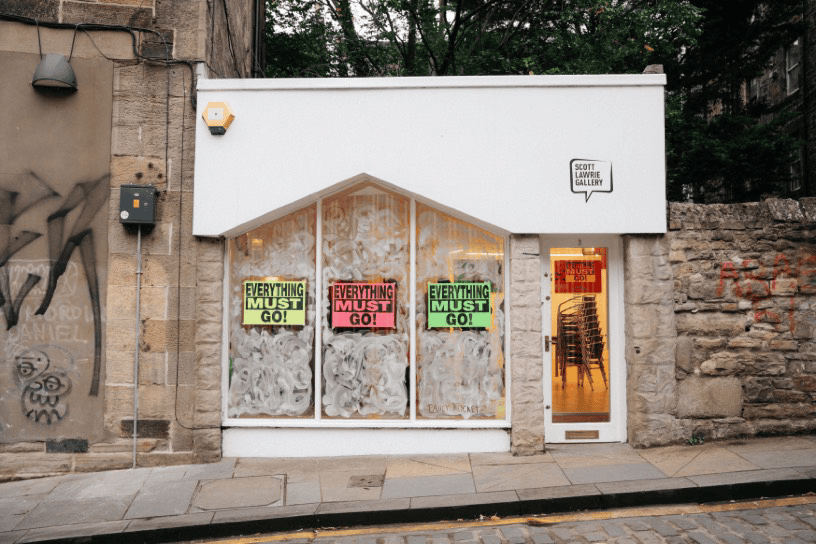
Before I had the name, before the date was set, before the idea had even properly hatched for my
most recent exhibition, EVERYTHING MUST GO!, I had already started collecting these objects
without really knowing what I was going to do with them.
My usual attitude towards discarded materials is fairly simple: well, it was going in the bin anyway,
so it doesn’t really matter what happens to it now. At that point I’m quite happy to hack into
something, cut it apart, sand it down or combine it with something else. A lot of my work has
come from exactly that process; poking about in skips, dragging things back to the studio and
finding some new use for stuff that would otherwise end up in landfill.
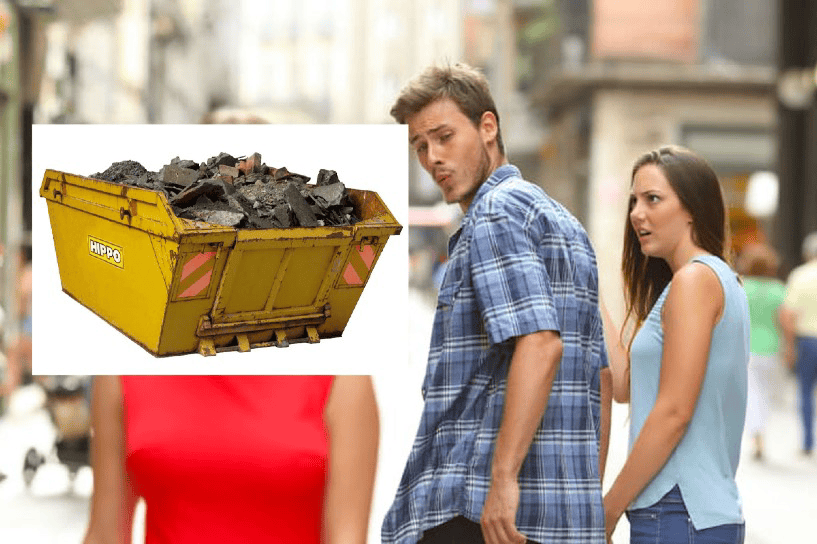
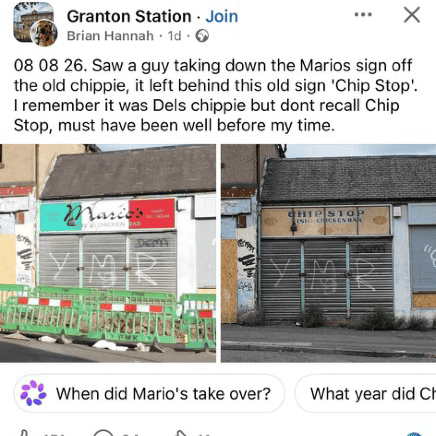
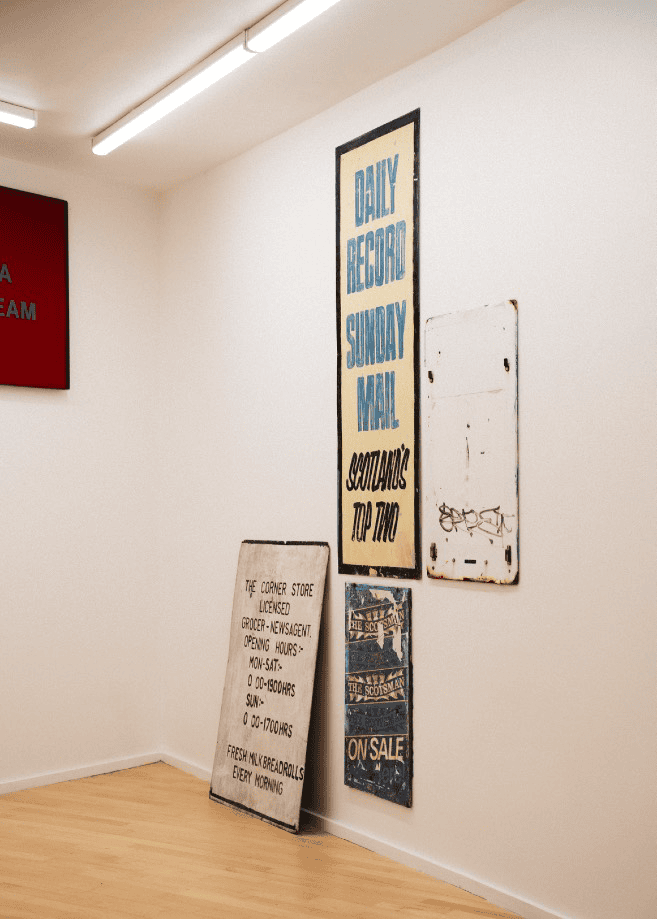
The first things that eventually became EVERYTHING MUST GO! were a collection of signs from
an old, derelict corner shop directly across the road from my flat. I had looked at them every day
for a long time. The shop never opened, but the signs remained outside, still advertising
newspapers and opening hours for a business that no longer existed. Eventually a To Let sign
appeared and I knew that, as soon as somebody took over the building, these would probably be
the first things to disappear. So one day I grabbed a ladder and some tools and took them down.
Initially I treated them like any other found material. I thought about dismantling them, cutting
them up or collaging them into other works. But for some reason I couldn’t bring myself to do it.
They sat untouched in the corner of my studio.
As I started collecting more and more things from places facing similar futures, I was beginning to
understand why.
Reusing materials is easy to present as an unquestionable good. Something was heading for
landfill, I rescued it and gave it another life. Good boy.
These things I had weren’t really raw materials though, they already had lives.
They had been attached to buildings for years. People had walked past them every day, touched
them, stood beneath them, read them or used them without giving them much thought. Their
scratches, faded paint, rust, repairs and dirt had accumulated naturally through just existing
somewhere. Cutting them apart began to feel different from cutting into a piece of scrap wood or
abandoned sheet of metal.
My excitement about collecting them gradually became mixed with a sense of guilt and unease.
Not particularly about the fairly questionable means of acquisition, but about the feeling that I had
separated something from where it belonged. I might have saved something physically, but I had
also removed it from the building, street and community that had given it meaning in the first
place.
That made the usual language around sustainability and reuse start to feel out of place. Saving
something from landfill sounds positive, but what does it actually mean to “save” something? If
preservation requires removing an object from the social setting that produced it, is that still
automatically a good thing?
EVERYTHING MUST GO! ended up giving me a way to think through that problem. I realised the
reason I was attracted to these things wasn’t simply because they were useful bits of wood, metal
or plastic waiting to become something else. It was because they had already become something.
Their materials carried histories that I couldn’t manufacture myself.
Putting them into a gallery complicated things again. On one hand, the gallery protects them.
They are no longer waiting to rot, be painted over or disappear into a skip. On the other, I have
moved objects from ordinary, often working-class environments into a cultural space with a
completely different audience and system of value. In trying to respond to displacement and
gentrification have I simply perpetuated it further?
I kinda wonder if leaving these things where they were, allowing them to weather, decay and
eventually disappear, might have been a more fitting ending. A hero’s death rather than a forced
second life.
Fucked if I know to be honest. The project has certainly made me less comfortable with the idea
that reuse is automatically ethically superior because it avoids things being scrapped. Materials
aren’t always empty things for us to impart upon, they hold meaning, relationships and
attachments.
Maybe a sustainable practice using found materials needs its own code of ethics, not strict rules,
but an awareness that giving something a second life also means taking responsibility for its first.